Everything related to the Aeroyantra cloud platform, browser tools, and commercial plans.
Explore specialized workflows for mining, construction, infrastructure, energy, and enterprise sectors.
Browse service lines by output type, project environment, and delivery requirement.
Read the material that supports evaluation, project planning, and field execution.
Pipeline and Facility Surveys Without Putting Personnel Into Hazard Zones
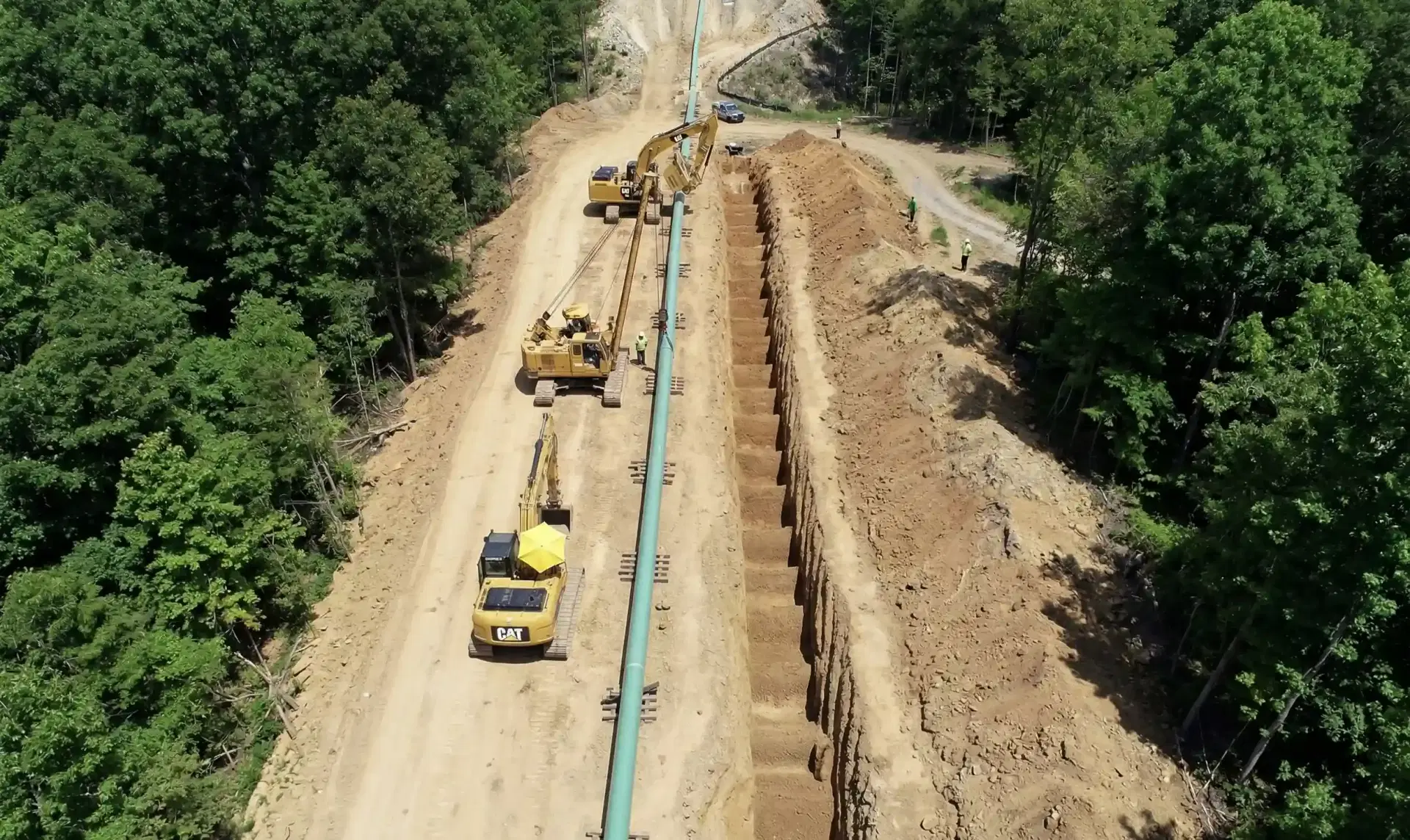
Manual inspection of pipelines, terminals, storage assets, and process units is slow, expensive, and difficult to document consistently. Our drone-based thermal, visual, and LiDAR workflows cover long pipeline corridors, identify ROW encroachments, inspect tanks and flare stacks, and produce georeferenced records for integrity teams, operations teams, and compliance teams across India.
Drone Survey Services for Oil & Gas Applications
Specialized drone mapping and surveying workflows for pipeline corridors, storage assets, and oil and gas facilities.
Pipeline Corridor Monitoring with Aerial Mapping
Complete corridor aerial survey documentation with photogrammetry and drone lidar mapping for ROW management, patrolling, and integrity monitoring.
Thermal Leak Indication Surveys
Thermal drone surveys flag temperature anomalies that may indicate leakage or abnormal operating conditions on pipelines and facilities.
Refinery, Terminal, and Tank Inspection
High-resolution inspection of vessels, flare stacks, storage tanks, and process areas without putting personnel in hazardous zones.
Compliance Documentation via Drone Survey Services
Georeferenced, time-stamped drone survey services inspection records structured for internal audits and India-specific regulatory workflows.
Pipeline Corridor Drone Survey Mapping and ROW Management
Photogrammetry and LiDAR with drone mapping services capture complete pipeline corridor geometry including terrain, vegetation, crossings, washouts, and encroachments, producing the data needed for ROW management, patrol planning, and integrity reviews.
What We Capture
Corridor Outputs
Photogrammetry can cover 50-100 km of corridor per day depending on route width, terrain, and permissions. Multi-drone deployment is available for larger networks.
Facility, Tank, and Thermal Inspection
Drone inspection helps integrity and maintenance teams inspect hazardous or hard-to-access assets without scaffolding, rope access, or routine service disruption.
What We Inspect
Inspection Deliverables
Thermal inspection complements, but does not replace, subsurface or instrument-based leak detection methods. It is most useful for screening, prioritization, and visual evidence.
India Compliance and Operator Workflows
Deliverables are structured for Indian operators and auditors who need current, traceable, georeferenced records across upstream, midstream, terminal, and city gas assets.
Supported Assets and Operators
Documentation and Reporting Support
If your internal template is mandatory, we align the reporting pack before the first field cycle so the data is delivered in the format your operations or integrity team expects.
Deliverables
Frequently Asked Questions
Common questions about oil and gas pipeline drone surveys.
Thermal drone surveys detect hydrocarbon product leakage from buried or above-ground pipelines as thermal anomalies at the surface - either from the temperature difference between the product and the surrounding soil, or from evaporative cooling effects at the leak point. Thermal inspection complements but does not replace subsurface leak detection methods for buried pipelines.
For photogrammetry and ROW monitoring, a single drone covers 50-100 km of pipeline corridor per day depending on flight altitude and corridor width. For LiDAR surveys, coverage of 50+ km per day is achievable on open terrain. Multi-drone deployments are available for projects requiring faster acquisition across very long pipeline networks.
Yes. Drone surveys are conducted without requiring service shutdown or personnel access to hazardous areas. Flight operations follow DGCA regulations and site-specific safety protocols. We coordinate with facility teams to ensure safe operations around active equipment.
Aeroyantra produces georeferenced, time-stamped inspection records for each survey cycle, with photographic evidence, LiDAR geometry data, and thermal anomaly reports traceable to the specific inspection date and asset. This documentation format supports OISD periodic inspection requirements and provides the audit trail required for regulatory compliance. Report formatting can be configured to align with specific OISD standard requirements.
Yes. Change detection workflows compare current survey data against a baseline orthomosaic to automatically flag new construction, boundary violations, and land use changes within the pipeline ROW. All encroachments are georeferenced for field verification and enforcement action.
Yes. LiDAR-equipped drones can inspect the interior of tanks, vessels, and other confined spaces without personnel entry - eliminating the need for confined space entry permits, standby crews, and associated safety risks. Internal LiDAR scans produce a complete 3D model of the interior geometry for structural assessment and maintenance planning.
Aeroyantra delivers corridor orthomosaics (GeoTIFF), LiDAR point clouds (LAS/LAZ), ROW encroachment maps (SHP/KML), thermal anomaly reports (PDF with georeferenced imagery), facility 3D models (DXF/DWG), and CAD/GIS compatible exports for integration with pipeline integrity management systems.
Oil and Gas Survey Quote - Response in 2 Hours
Share your corridor length, asset type, and location. We support pipeline, terminal, and facility inspections for operators across Assam, Gujarat, Rajasthan, and other major oil and gas belts in India.